Every crew has that one truck. The one with 200,000 miles, a driver's side window that only partially goes down, and a check engine light that's been on so long it's basically ambient lighting now.
You've named it.
You've defended it.
You've talked yourself into one more repair more times than you can count.
We get it. You love that truck.
Yet love won’t fix a hydraulic seal, and it definitely won’t make a two-ton truck fit through a three-foot gate. We're just here to gently suggest that maybe, just maybe, you deserve better.
The Writing on the Wall: Five Signs You're Ready for a Spider Lift
Attachment is one thing. The right decision for your business is another matter entirely. Here are five signs your bucket truck has stopped being an asset, and you’re ready for a spider lift.
1. Your Mechanic Knows Your Truck Better Than You Do
Every piece of equipment has a lifespan. The problem is that bucket trucks rarely retire gracefully. They slow-fade through a parade of increasingly expensive repairs. A hydraulic seal here, a boom cylinder there, and suddenly you're on a first-name basis with a parts supplier in three states.
Older equipment compounds the problem. Aging components fail more often, sourcing parts takes longer, and downtime stacks up. Each repair feels manageable on its own until you look back at the year and realize you've been funding a very expensive hobby.
2. Every Breakdown Costs You Twice: Once to Fix It, Once in Lost Work
An equipment breakdown mid-job isn't just inconvenient. It's a ripple effect. You’re going to have to deal with rescheduled customers, scrambled crews, delayed invoices, and a reputation that takes a hit every time you have to make that call explaining why you're not showing up.
Bucket truck maintenance costs don't live only on the repair invoice. They show up in the jobs you had to push, the overtime you had to pay, and the customers you might lose forever because they called someone else to do the job. Reliable equipment is the foundation of a functioning operation. An unreliable one is a slow leak on everything you've built.
3. Limited Access is Costing You Jobs
A gated backyard. A soft, soggy lawn. A slope that makes four wheels a liability. A narrow driveway lined with landscaping that took fifteen years to grow and takes one bad move to wreck in an instant.
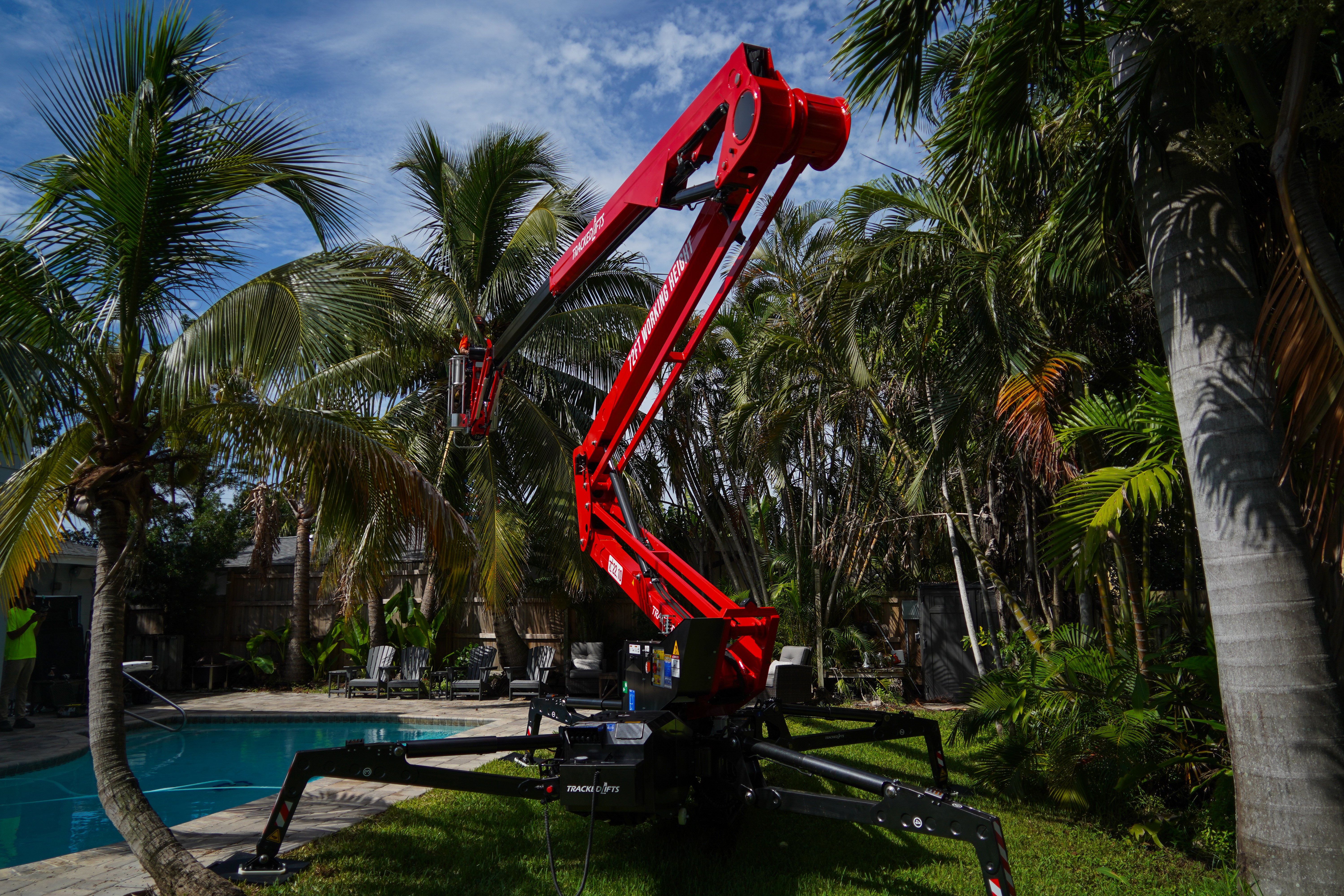
Bucket trucks need elbow room that job sites increasingly do not have. When the site doesn't cooperate, you're either turning the job down, convincing a customer to accept workarounds they didn't ask for, or taking on risk you shouldn't have to. Spider lifts, with their compact footprints, get into places bucket trucks simply can't.
4. Your Truck Takes Longer to Set Up Than Some Jobs Take to Finish
Getting a bucket truck from Point A to Point B takes planning. Depending on your model, you may be navigating CDL requirements, route restrictions, and the logistical patience required to stage a vehicle that wasn't exactly engineered for agility.
Most spider lift models are compact enough to be trailed without a CDL, allowing more of your crew to move equipment without the credentialing bottleneck. Faster mobilization means more jobs per day, tighter scheduling, and a lot less time burning daylight between sites. Time is money, but only if you're spending it on actual work.
5. Your Bucket Truck Can’t Keep Up with the Work
This is the one that should get your goat. When a customer calls for a tight-access job, and you have to turn it down, they don't stop looking. They just call the next number they find. And if that company shows up with a spider lift and gets the job done, they've just earned a customer relationship you may never get back.
Owning a spider lift makes you competitive. The companies investing in purpose-built arborist equipment right now are positioning themselves to say yes more often, to more jobs and more customers. If your current setup draws a hard line around what you accept, you're not just leaving money on the table. You're handing it to the competition.
How Tracked Lifts Outperform Bucket Trucks
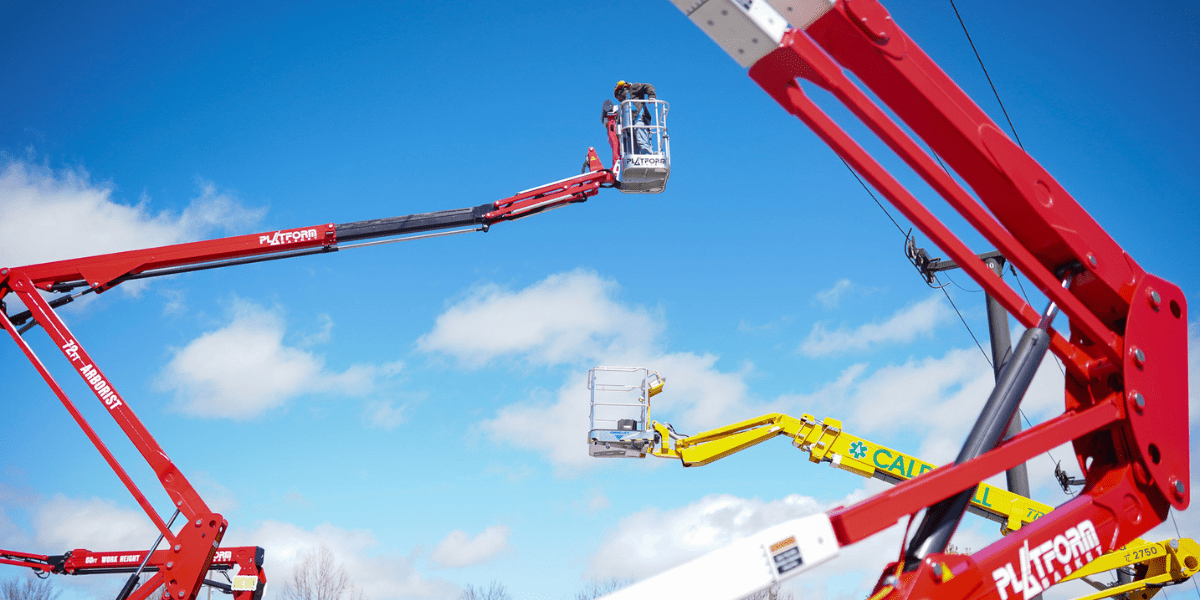
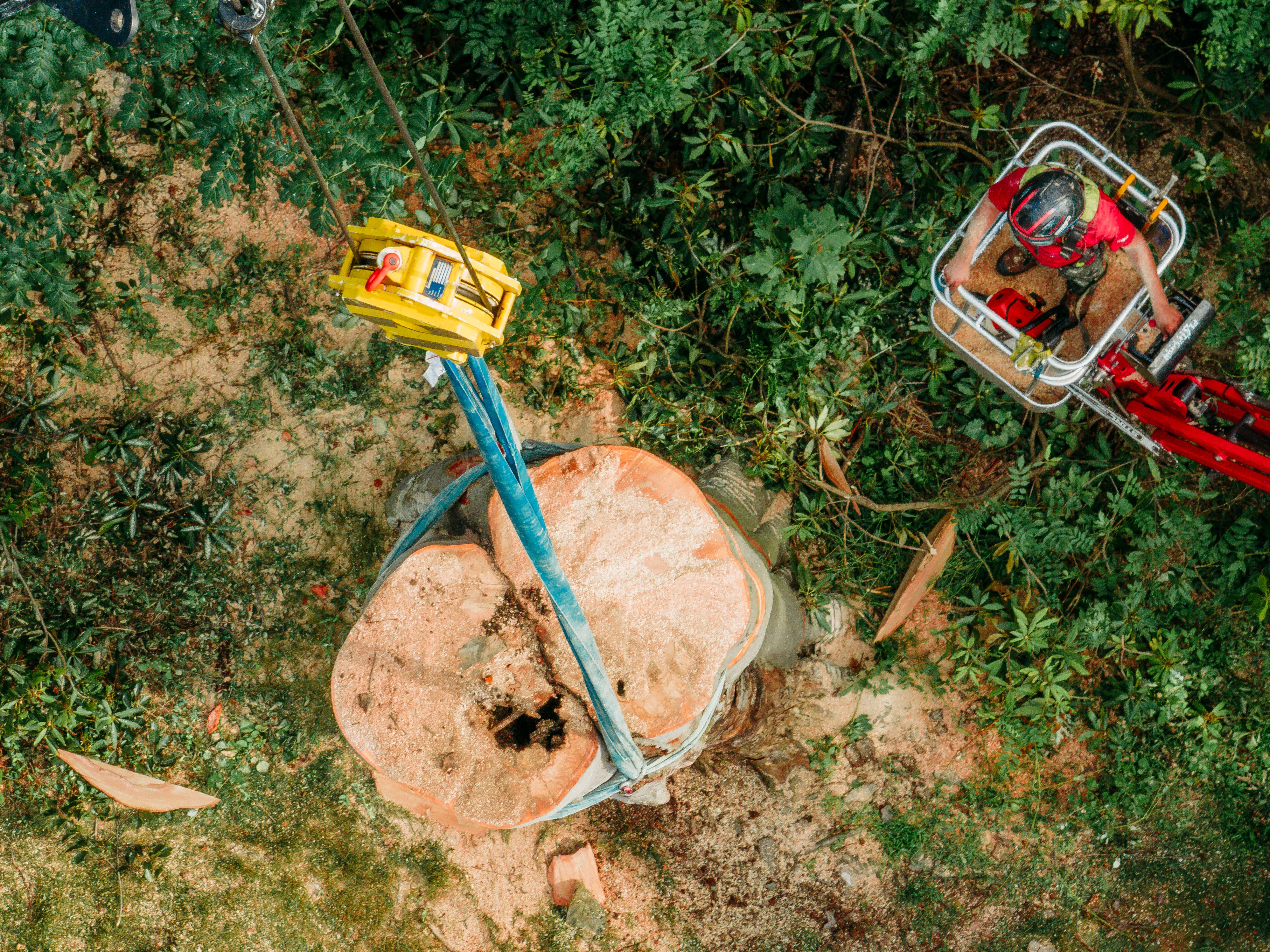
Tracked Lifts can handle terrain that would send a bucket truck running scared. Their low ground pressure makes them far less likely to damage lawns or landscaping, something customers notice and remember. They set up faster, reposition more easily, and their articulating booms give operators precise control in tight spaces and complex canopies.
- Protected hydraulics and armored components: fewer failures, less maintenance, more uptime
- Stability systems that stop when you do: no swing, little-to-no sway, no white-knuckling it at height
- Compact enough to trailer on most models: simpler transport for tighter scheduling
Tracked Lifts are reshaping what a productive day looks like for tree crews. More access. More jobs. Equipment that handles the conditions instead of surrendering to them. Tracked Lifts sits at the top of that category because it's the only one that never had to adapt. It was built for tree work from day one.
FAQs
How do I know if my bucket truck is holding me back?
Start with your last 12 months.
- How many jobs did you turn down because of access?
- How much did you spend on repairs?
- How many times has a breakdown blown up your schedule?
If those answers make you wince, there’s your answer.
What does upgrading to a spider lift actually improve?
Access, setup time, terrain capability, and transport flexibility. Over time, you also see it in your maintenance costs, your crew efficiency, and your ability to take on jobs that used to be automatic “no’s”. The short version: it stops being something you work around and starts being something you work with.
Are spider lifts easier to transport or operate than bucket trucks?
Generally, yes. Some spider lift models are compact enough to be trailed without a CDL, which means fewer credentialing bottlenecks and more flexibility in who moves equipment. On-site, faster setup and easier repositioning mean your crew spends more time working and less time staging.
How do I make the case for switching to my team or boss?
Lead with the jobs you've turned down and the downtime you've absorbed. Then reframe the cost conversation around the total cost of ownership. Not just the purchase price, but maintenance, lost revenue, and crew hours over the next five years. If your current equipment is limiting your capacity to work, the question isn't whether you can afford to upgrade. It's whether you can afford not to.
Replace Your Bucket Truck with a Tracked Lift Today
Here's the honest version of the cost math: your bucket truck's real price tag isn't on the invoice. It's in the jobs you said no to, the mornings that started late, and the customers who didn't call back. A Tracked Lift built for your industry doesn't just perform better, it drives revenue.
When you replace your bucket truck with a Tracked Lift built by and for arborists, the math starts working for you instead of against you. The jobs you used to pass on become jobs you take. The mornings that used to start late start on time. The customers who used to call someone else start calling you back.
The jobs you've been turning down are still out there. Reach out today, and we’ll show you what your business could look like once you start saying yes.