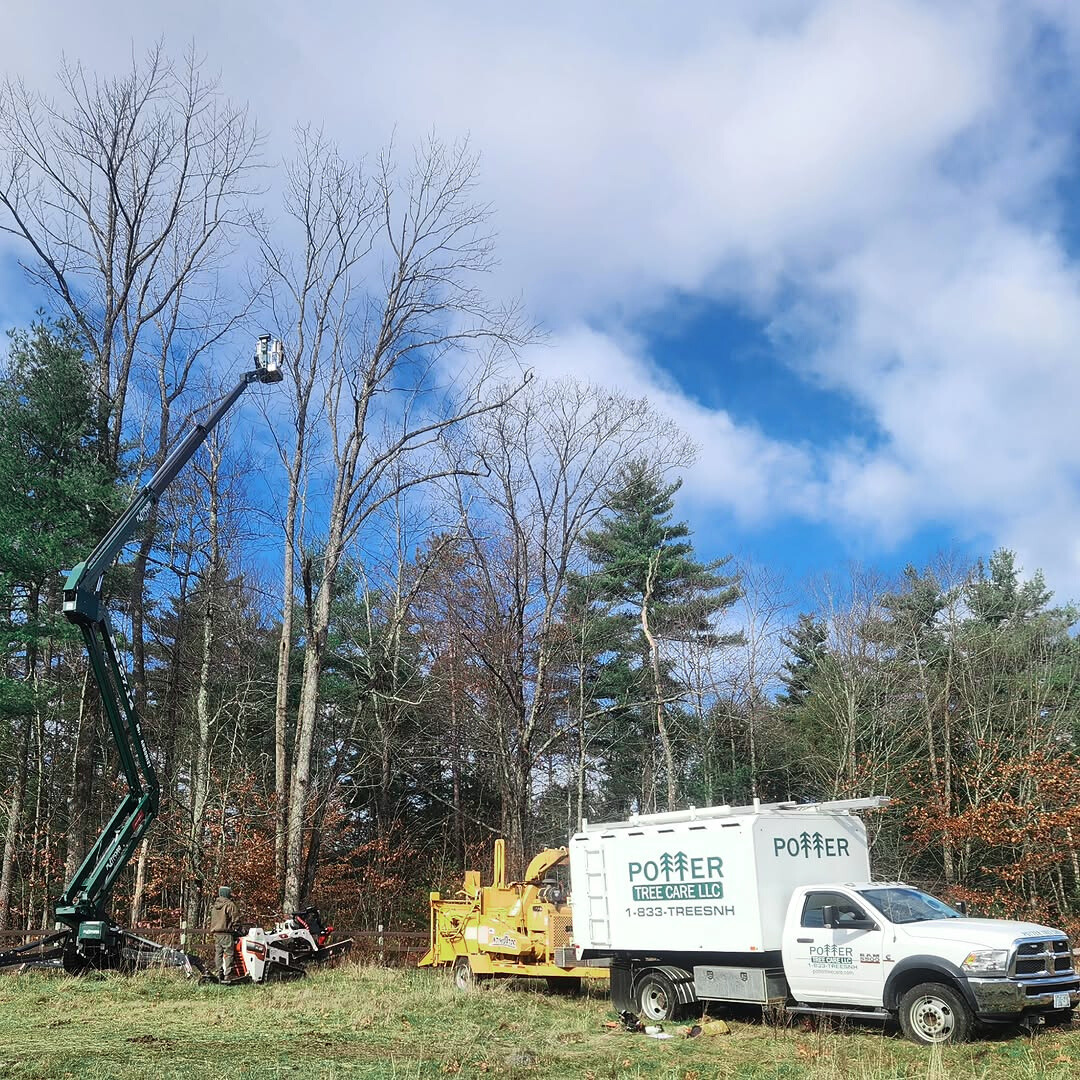
If you've ever tried to trim a 60-foot oak with equipment designed for changing lightbulbs in an office atrium, you already know the problem. Most aerial lifts weren't built for tree work. They were adapted from indoor construction equipment and slapped with an "Arborist Series" sticker.
But trees don't care about marketing.
Choosing the right lift for tree trimming means understanding what really matters when you're dealing with falling branches, uneven terrain, and job sites where the wrong equipment can tear up Mrs. Henderson's prize-winning lawn.
Spider Lift vs. Boom Lift vs. Bucket Truck: What’s the Difference?
Let’s clear up the terminology before we go further.
Aerial lifts is an umbrella term for any equipment that elevates workers to access high areas. Under that umbrella, you’ve got several options for tree work:
Spider Lifts
Tracked aerial lifts with outriggers (stabilizing legs) that can navigate tight spaces, uneven terrain, and delicate surfaces. They’re called “spider lifts” because the outriggers extend like legs. These are purpose-built for challenging access and stability: exactly what arborists need.
Boom Lifts
Wheeled aerial lifts are commonly used in construction. They come in articulating (bendable arm) and telescopic (straight arm) versions. Great for open job sites with solid ground. Less great when you need to fit through a 35-inch gate or work on a residential lawn without leaving ruts.
Bucket Trucks
Truck-mounted aerial lifts that drive on roads and extend upward. They’re a solid choice when you have perfect access, but they’re limited by where the truck can park and how close you can get to the tree.
For arborist work? Spider lifts win on access, terrain adaptability, and property protection. Boom lifts and bucket trucks still have their place, just not in most residential and commercial tree care scenarios.
The Atrium Lift Problem: Why Most Aerial Lifts Weren’t Built for Tree Work
Most tracked aerial lift manufacturers started by building equipment for smooth floors and climate-controlled buildings. When arborists demanded better solutions, these companies adapted their existing designs without changing much.
The giveaway signs:
- Exposed hydraulic cylinders that falling debris absolutely loves to destroy.
- Unprotected fuel tanks sitting out in the open like they’re asking for trouble.
- Thinner steel construction designed for controlled environments, not tree work.
When you’re working around falling limbs, rough terrain, and the occasional curious blue jay (yes, they’ll land on you during a job. Ask us how we know), equipment durability isn’t optional. Purpose-built beats adapted. Every. Single. Time.
What Actually Matters When Choosing a Lift for Arborists
Put simply, the best aerial lift for tree work gets you home safe and keeps your business running.
Stability You Can Feel
Ever felt a lift sway long after you released the controls? That’s physics telling you the equipment wasn’t designed for cutting forces and rigging work. Real stability means proper outrigger footprint (not decorative stabilizers), tracked undercarriage that distributes weight across uneven terrain, thicker steel meant to actually support, and little to no swing and sway when you stop. When you stop, it stops.
Access Without the Circus Act
Spider lifts for tree care separate from boom lifts and bucket trucks by fitting through residential gates (some squeeze through 35-inch openings), navigating around obstacles with articulating booms, and delivering horizontal reach that actually matters. A 72-foot working height means nothing if you’re 10 feet short of horizontal reach.
Ground Pressure That Won’t Destroy Property
Wheeled lifts concentrate weight. Tracked lifts spread it evenly through stabilizers/outriggers. Low ground pressure from track systems means you operate on soft soil without sinking, lawns stay intact, and property damage stays minimal.
Armor and Protection: The Purpose-Built Difference
Spider lifts designed specifically for tree work feature protected hydraulic routing (cylinders aren’t sitting exposed), armored fuel tanks with actual protection, and thicker steel construction engineered for the punishment tree work delivers. When your founder is an arborist who co-developed the equipment, those details get built in from day one.
Match Lifts to How You Actually Work
Residential tree work means tight access, delicate properties, and neighbors watching. You need compact spider lifts that navigate narrow gates, protect lawns with low ground pressure, and set up quickly. Spider lift size clearance makes or breaks residential jobs.
Commercial and municipal work demands greater heights, extended outreach for mature trees, and power. Many models haul on a ¾-ton pickup without requiring a CDL, making job-to-job transitions faster.
Spider lifts handle both. Bucket trucks and boom lifts? They’re stuck waiting for perfect access conditions that rarely exist.
What to Check Before You Buy or Rent
Quick checklist:
- Working height + horizontal reach: both matter, but don’t fall for height-only specs
- Job site access: gates, clearances, pathways
- Ground sensitivity: lawns vs. hardscape
- Component protection: armored vs. exposed
- Service network availability: a reliable network keeps downtime from killing revenue
If the sales rep can’t explain protected hydraulic cylinders or terrain handling, you’re looking at adapted equipment, not purpose-built gear.
Tracked Lifts Models Built for Tree Work
Purpose-built by arborists, for arborists. Not adapted.
The Platform Basket 22.10 delivers 72-foot working heights and 34-foot unrestricted outreach while fitting through residential access points. The OMME 2750 pushes to 90 feet with 49-foot outreach and armored construction for tougher jobs. The Platform Basket 27.14 combines compact maneuverability with professional-grade performance.
Every model: protected components, superior stability, design decisions made by people who understand tree work.
FAQs
What makes spider lifts better for tree work than bucket trucks?
Spider lifts offer superior access in tight spaces, better stability on uneven terrain, lower ground pressure for property protection, and articulating reach that navigates around obstacles. Bucket trucks excel when you have perfect access and large job sites, but most residential and commercial tree work doesn’t offer perfect conditions.
How do I know if a lift is purpose-built for arborists vs. adapted from other equipment?
Look for steel protected hydraulic cylinders, armored fuel tanks, and thicker steel construction designed for impact resistance. Check the company’s origin story. Lifts built by arborists for arborists make different design decisions than equipment adapted from atrium lift origins. The component protection tells the story.
What’s the difference between tracked lifts and wheeled lifts for tree care?
Tracked lifts distribute weight like tank treads. Low ground pressure across a wide surface area, which protects lawns and works on soft terrain. Bucket trucks, even with properly deployed outriggers, still carry their full truck weight on wheels that concentrate pressure and struggle on slopes or soft ground. For arborist work across varied terrain or within residential gates, tracks handle conditions that wheeled vehicles can't.
Why does horizontal reach matter as much as working height?
Working height is the platform height plus 6 feet for the operator. Horizontal reach tells you how far the platform extends from the base, which determines whether you can access the tree sections you need to trim. A 90-foot working height doesn't help if you're 15 feet short of horizontal reach. Both specs matter for effective tree work.
Stop Settling for Equipment Designed for Something Else
The whole reason Tracked Lifts exists is that an arborist needed equipment for tree care, so he decided to start his own business and make it himself. We've been where you are: trying to figure out what's real versus what's marketing. When you want to talk it through with people who get it, we're around.
Contact Tracked Lifts today. We promise not to waste your time. And if a blue jay lands on you during the demo, consider it a good omen.
.jpg)